



Exploring casino games alongside learning about the satta game calls for a clear distinction between entertainment, probability, and risk. Casino games range from skill-influenced formats such as poker to games determined mainly by chance, including roulette and many slot games. Satta-style wagering also involves predicting an outcome, but rules, legality, and safeguards can differ widely by location and operator. This guide explains how to compare game formats, understand their mechanics, and make informed choices without treating any wager as a dependable way to earn money.

What separates stronger casino options from weaker ones
A stronger casino option is not simply a game with exciting graphics or a large advertised prize. It is one with rules that are easy to find, a transparent explanation of how outcomes are determined, and clear information about costs and limits. Players should be able to tell whether a game relies on random number generation, a live dealer, or decisions they make during play. In a satta-style format, the same questions matter: What counts as a valid prediction? When is an outcome settled? Are payouts and deductions explained before a person participates?
Comparing these details helps separate a well-documented game from one that leaves important terms unclear. Casino games have different odds, pace, and decision-making demands, so a player should not assume that success in one format transfers to another. For example, a strategy may affect choices in blackjack, while a slot result is generally random and cannot be predicted from previous spins. Any satta game should also be approached as wagering rather than as a reliable source of income. If rules, operator identity, or local legal status are difficult to verify, stepping away is the safer choice.
How to begin exploring casino games responsibly
Start with research rather than a deposit. Read the rules for each format, check whether real-money gambling is legal where you live, and decide what you can afford to lose before you play. Learning about a game can be done through free demonstrations or by reviewing published rules, without placing a wager. The steps below are a practical way to compare casino games and understand a satta-style prediction format while keeping attention on transparency, personal limits, and the difference between entertainment and financial planning.
- Check local rules: Confirm whether the game and operator are permitted in your jurisdiction, including any age restrictions.
- Read the mechanics: Learn how a round starts, how an outcome is produced, and what conditions determine a win or loss.
- Review the odds: Look for published probabilities, payout terms, and any house advantage information rather than relying on promotional claims.
- Set boundaries: Choose a firm time limit and, if playing legally for money, a small entertainment budget you can afford to lose.
- Try a free version: Use a practice mode when available to learn controls and pacing without risking funds.
- Clear rules make it easier to compare games on equal terms.
- Practice modes can demonstrate gameplay without a financial stake.
- Pre-set limits help prevent impulsive decisions during a session.
- Checking legal status before play reduces avoidable risk.
Practical ways to compare casino formats and predictions
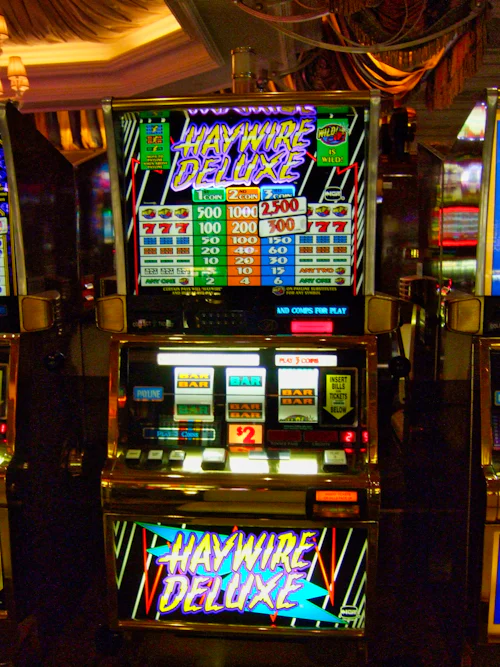
When evaluating a casino game, focus on its structure rather than the promise of a particular result. Roulette, for instance, uses a wheel and ball, with outcomes based on where the ball lands; the available bets differ in probability and payout. Blackjack involves decisions such as whether to hit or stand, although chance remains a major factor. Slot games use random outcomes, and a sequence of losses does not make a win due. For a satta-style prediction, identify the exact event being predicted and how the published result is checked. If the settlement process is vague, do not participate.
It is also useful to compare pace and spending controls. Fast rounds can make it harder to notice how much time or money has passed, while a slower game may offer more opportunity to review choices. Look for session reminders, deposit limits, time-outs, and account history tools. These features do not remove the risks of gambling, but they can help a player keep track of activity. Avoid borrowing, chasing losses, or increasing a stake because a result feels “overdue.” Random outcomes do not remember prior rounds, and no pattern or prediction method can guarantee a winning result.
- Rules: Confirm how bets are placed, when they close, and how outcomes are settled.
- Probability: Compare disclosed odds where available, and remember that odds describe likelihood, not certainty.
- Controls: Prefer platforms that provide spending limits, session history, and self-exclusion tools.
- Transparency: Avoid games or operators that hide fees, payout conditions, or the identity of the result source.
These checks are useful whether someone is learning the basics of a casino classic or examining a prediction-based format. They encourage a consistent approach: understand the rules, assess the risks, and decide whether the activity fits within personal boundaries. If a game cannot be explained in plain language, there is little reason to rush into it.
Benefits of a careful casino game comparison
Taking time to compare casino games can make the experience more understandable and less driven by impulse. A player who knows the difference between a skill-influenced decision and a random outcome is less likely to mistake entertainment for a dependable strategy. Careful comparison also reveals whether an operator offers useful information before play, such as complete rules, payout conditions, and responsible gambling tools. These considerations apply to satta-style wagering as well: knowing how a prediction is judged does not remove uncertainty, but it can help a person recognize unclear or potentially misleading terms before taking part.
- Better understanding: Learning rules first reduces confusion during a round.
- More informed choices: Comparing game mechanics helps match a format to personal preferences and risk tolerance.
- Clearer spending awareness: Limits and account records make activity easier to monitor.
- Fewer assumptions: Understanding randomness helps counter the belief that past losses predict a future win.
These benefits are about informed participation, not guaranteed results. No casino game or prediction system can promise profit, and a published return figure does not ensure that a particular player will receive that return. A sensible comparison should therefore include the option not to play, especially when the rules are confusing or the activity is causing stress.
Trust, security, and responsible play
Trust starts with checking who operates a gambling service and whether it holds the authorization required in the player’s location. A credible operator should make its licensing details, terms, privacy practices, payment rules, and complaint procedures easy to locate. Players should also look for independent information about how random outcomes are tested, where relevant. A polished interface or a claim of fast payouts is not proof of safety. For any satta-style service, verify how results are sourced and recorded, and be cautious if an operator asks for unusual payments or refuses to explain withdrawal conditions.
Protect personal information by using unique passwords, enabling available account security features, and avoiding shared devices for financial activity. Never send identity or banking details through an unverified channel, and do not install unfamiliar software at an operator’s request without checking its purpose. Responsible gambling tools can support limits, but they cannot guarantee that a person will stay within them. If gambling stops feeling like entertainment, affects essential expenses, or leads to attempts to recover losses, stop playing and seek support from a qualified local service. Minors should not gamble, and adults should follow all applicable laws and age requirements.
Choosing casino games with a clear decision checklist
Before selecting a casino game or exploring a satta-style prediction format, ask whether you understand the rules, can verify the operator, and know what the activity could cost. Consider whether a free demo provides enough information without risking money. If real-money play is legal where you live, treat any stake as an entertainment expense, not an investment or a way to solve financial problems. Set limits before starting and stop when they are reached. A good decision may be to choose a different game, take a break, or avoid wagering entirely; there is no obligation to turn curiosity into a bet.
Casino games can be explored more thoughtfully by comparing their mechanics, odds, transparency, and safeguards rather than focusing on exciting claims. Learning how prediction-based wagering differs from familiar casino formats can also clarify where uncertainty remains. Read the terms, stay within local law, protect your account, and keep play separate from essential finances. Most importantly, remember that outcomes cannot be guaranteed. An informed approach values control and understanding over promises of a win, and it makes walking away a valid choice whenever the risks outweigh the entertainment.
Comments are closed